Loading...
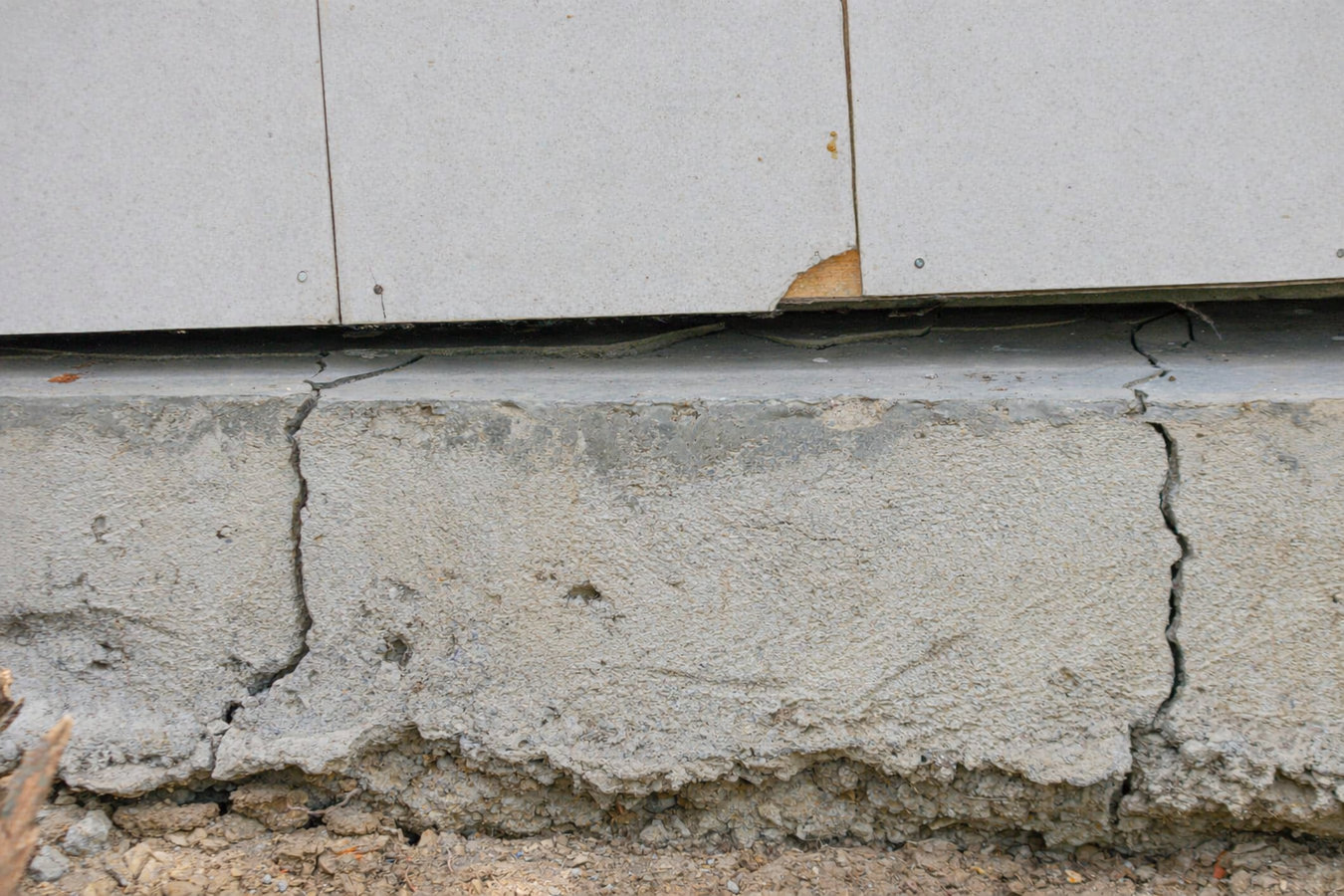
Your slab has sunk, and you want it level again without tearing out concrete that still has years of life left. We lift driveways, patios, garage floors, and pool decks back to level - usually in a single day.
Foundation raising in West Melbourne is the process of lifting a sunken concrete slab back to its original level by pumping material into the void beneath it - most residential jobs are done in a single visit, and the surface can be used the same day when foam injection is the chosen method.
If you live in West Melbourne and your driveway, patio, or garage floor has developed an uneven section, there is a good chance the sandy soil underneath it has shifted or washed away. That is not unusual here - Brevard County's loose coastal soil and heavy summer rainfall create the exact conditions that cause slabs to sink. The concrete itself is often still in perfectly good shape. What it needs is the support beneath it restored, not a full tear-out and replacement. Foundation raising does exactly that. For situations where a slab is already badly cracked or broken, the conversation may shift toward slab foundation building - but an honest assessment at your property will tell you which situation you are in.
The University of Florida IFAS Extension has documented how Florida soil conditions contribute to foundation movement, which is helpful context if you want to understand what is happening beneath your slab. In most cases, raising is faster, less disruptive, and significantly cheaper than replacement - and a free on-site estimate will confirm whether it is the right call for your specific slab.
Stand at one end of your driveway, patio, or garage floor and look across the surface. If one section is noticeably lower - even by an inch or two - the soil beneath it has shifted. In West Melbourne's sandy ground, this kind of uneven settling is one of the most common reasons homeowners call a foundation contractor. It tends to get worse with each rainy season, not better.
If you notice standing water collecting in spots that used to drain normally, the surface has likely sunk in those areas. Given how much rain West Melbourne receives from May through October, poor drainage on a concrete surface is both a nuisance and a sign that the slab needs attention. Water sitting on a sunken section continues eroding the soil underneath, making the void larger over time.
When the slab beneath your home shifts, the door frames shift with it. If interior doors that used to swing freely now stick at the top or bottom, or if you can see daylight under a door that used to seal, the floor beneath may be moving. This is often one of the earliest signs homeowners notice - before any visible cracking appears on the surface.
When one section of a sidewalk, driveway, or patio sinks while the adjacent section stays put, it creates a raised lip at the joint. This is a common and fixable problem. It is also a liability - especially if you have children, elderly family members, or guests who use that surface regularly. Homes built in West Melbourne during the 1970s and 1980s are especially likely to show this kind of differential settling.
We perform foundation raising for residential homeowners throughout West Melbourne and Brevard County, covering driveways, patios, garage floors, pool decks, and interior floor slabs that have sunk or become uneven. For most jobs, we offer two lifting methods - foam injection and slurry lifting - and we will walk you through both during the free estimate visit so you understand the trade-offs before any work starts. In jobs where the sunken slab is part of a larger structural project, we also coordinate with related work such as concrete cutting to remove and re-pour sections that are too damaged to lift, keeping the overall scope clean and the schedule predictable.
Every job starts with an on-site assessment where we probe the slab, look for cracks that could affect the lift, and check the soil condition around the edges. That visit is free and it is the point where we give you an honest answer - if raising is the right solution, we say so and explain why. If the slab is too far gone and replacement makes more sense, we say that too. We do not drill holes until we are confident the lift will hold, and we patch every drill hole with concrete before we leave. The Concrete Foundations Association sets the industry standards for this type of work, and we follow them on every job.
Best for homeowners who want the fastest cure time - foam expands to fill the void and hardens quickly, letting you walk on the surface within an hour and drive on it the same day.
Suited to larger slabs or situations where a denser fill material is preferred - the slurry pumped beneath the slab needs about 24 hours to set before the surface can be used.
For driveways, sidewalks, and patios where one panel has sunk relative to the next, creating a raised lip that is a safety issue - we lift the sunken panel back flush with its neighbor.
For outdoor slabs around pools or covered patios that have settled unevenly, where re-pouring would require removing surrounding features and raising avoids that disruption entirely.
West Melbourne sits on the sandy coastal plain that runs through most of Brevard County, and that soil type is the main reason slab settling happens here more often than in other parts of the country. Sandy soil does not compact tightly. When water moves through it - from heavy rain, irrigation, or a slow plumbing leak - it carries particles away and leaves empty space beneath your slab. The area receives roughly 50 to 55 inches of rain per year, much of it in concentrated summer storms that saturate the ground quickly. That combination means foundation movement is genuinely common for West Melbourne homeowners, and it tends to get worse after each wet season. Homeowners in Melbourne and across the surrounding Brevard communities share the same soil conditions, and we handle slab lifting jobs throughout the area.
Age compounds the problem. A large share of West Melbourne's neighborhoods were built between the 1970s and 1990s, which means the slabs in those communities are now 30 to 50 years old. The soil beneath them has had decades to shift, compact, and erode. If your home was built during that period, any change in floor level - a door that suddenly sticks, a section of patio that feels lower than it used to - is worth paying attention to. Homeowners in Palm Bay and other nearby communities with similarly aged housing stock often call us for the same reason. Catching the problem early means a straightforward lift today rather than a much more expensive job - or full replacement - after another rainy season has made the void larger.
When you reach out, we ask a few basic questions - what type of surface has sunk, roughly how much it has dropped, and whether you have noticed any cracking. You do not need exact answers. Describing what you see is enough, and we reply within 1 business day to schedule the assessment.
We come to your property, check how far the slab has sunk, look for cracks that might affect the lift, and probe the soil around the edges. This visit is free. It is the point where we tell you honestly whether raising is the right solution - or whether something else is needed.
The crew drills small holes through the concrete in a pattern across the sunken area, then pumps material through those holes until the slab rises back to level. The work is monitored carefully as it happens. Drilling and pumping typically take one to three hours for a standard residential job.
Once the slab is level, we fill and patch the drill holes with concrete, clean up the work area, and walk you through curing guidance. With foam injection, you can typically drive on the surface within a few hours. With slurry, plan on staying off it for about 24 hours.
Free on-site estimate. We come out, look at the slab in person, and give you an honest answer - no obligation, no sales pitch.
(321) 294-0430Every assessment we do starts with understanding what the ground is actually doing beneath your specific slab. Sandy coastal soil behaves differently from the clay-heavy soils found in other parts of Florida, and contractors who have not worked in this area routinely underestimate how much material is needed to fill a void properly. We have handled slab lifting jobs across West Melbourne and the surrounding communities and know what to expect.
We will tell you if raising is the wrong call for your slab. If the concrete is too deteriorated to lift, or if the underlying problem is a plumbing leak that needs to be fixed before any slab work makes sense, we say so during the free assessment. A lift that fails in six months is not a good outcome for you or for us - we would rather give you the right recommendation upfront.
Florida buyers and their inspectors look closely at foundation conditions. An unresolved slab issue can stall a sale or reduce your asking price. When we complete a job, you have a record of what was done, by whom, and when. That documentation has real value if you ever sell your home or file an insurance claim - and it is something we provide as a standard part of every project.
Most straightforward slab lifts in West Melbourne do not require a permit, but work that touches the structural foundation of your home may be different. We know the difference and check with Brevard County Building and Development before work starts on any job where the scope is unclear. You do not have to navigate that yourself - we handle it.
These proof points add up to one thing: you get a straight answer about your slab before any work starts, the lift is done correctly the first time, and you have the paperwork to show for it. That is what we deliver on every foundation raising job in West Melbourne.
When a slab section is too damaged to raise, precise cutting removes just the affected panel so it can be re-poured cleanly.
Learn MoreFor situations where a full new concrete slab is needed rather than lifting an existing one back into position.
Learn MoreWest Melbourne's summer storms keep eroding the soil beneath settled slabs - call now for a free on-site estimate and stop the problem from getting worse.